Biomaterials
The olive pit
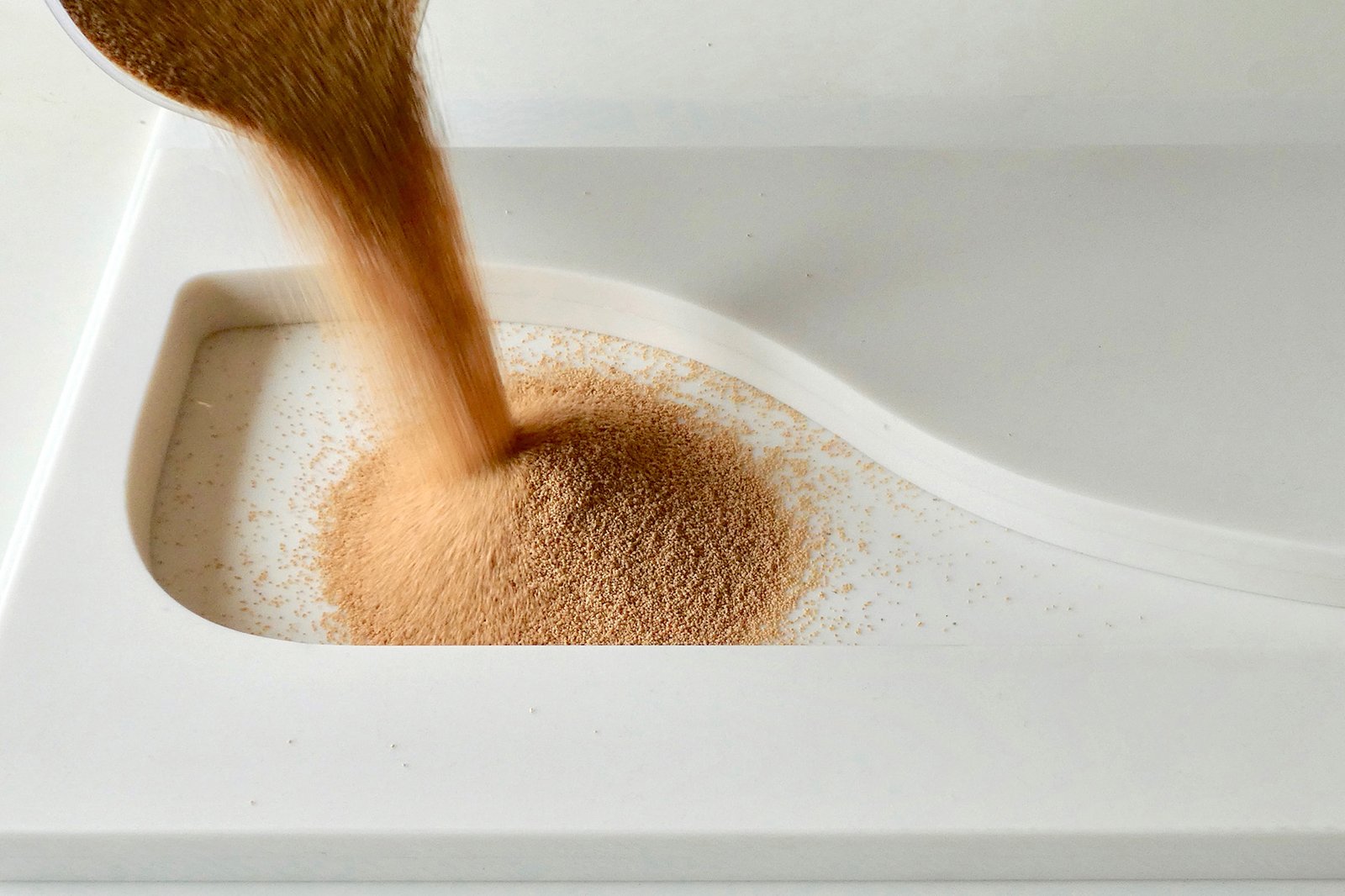
Spain produces thousands of tonnes of olive stones annually, a resource that we can utilise as local raw material and help to close the productive cycle of the olive sector.
Reolivar®
Reolivar is a project based on the upcycling of olive pits, which transforms this resource into a range of new circular and biodegradable materials.
Earth and air
Reolivar Tierra
Description
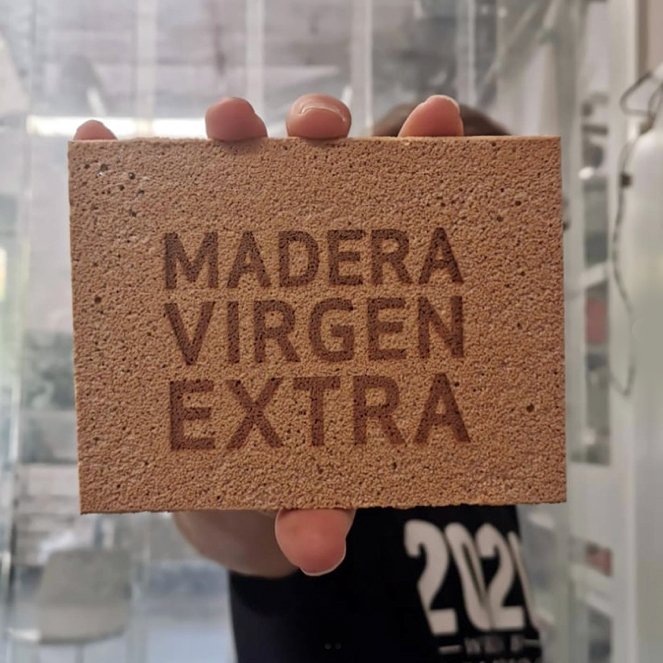
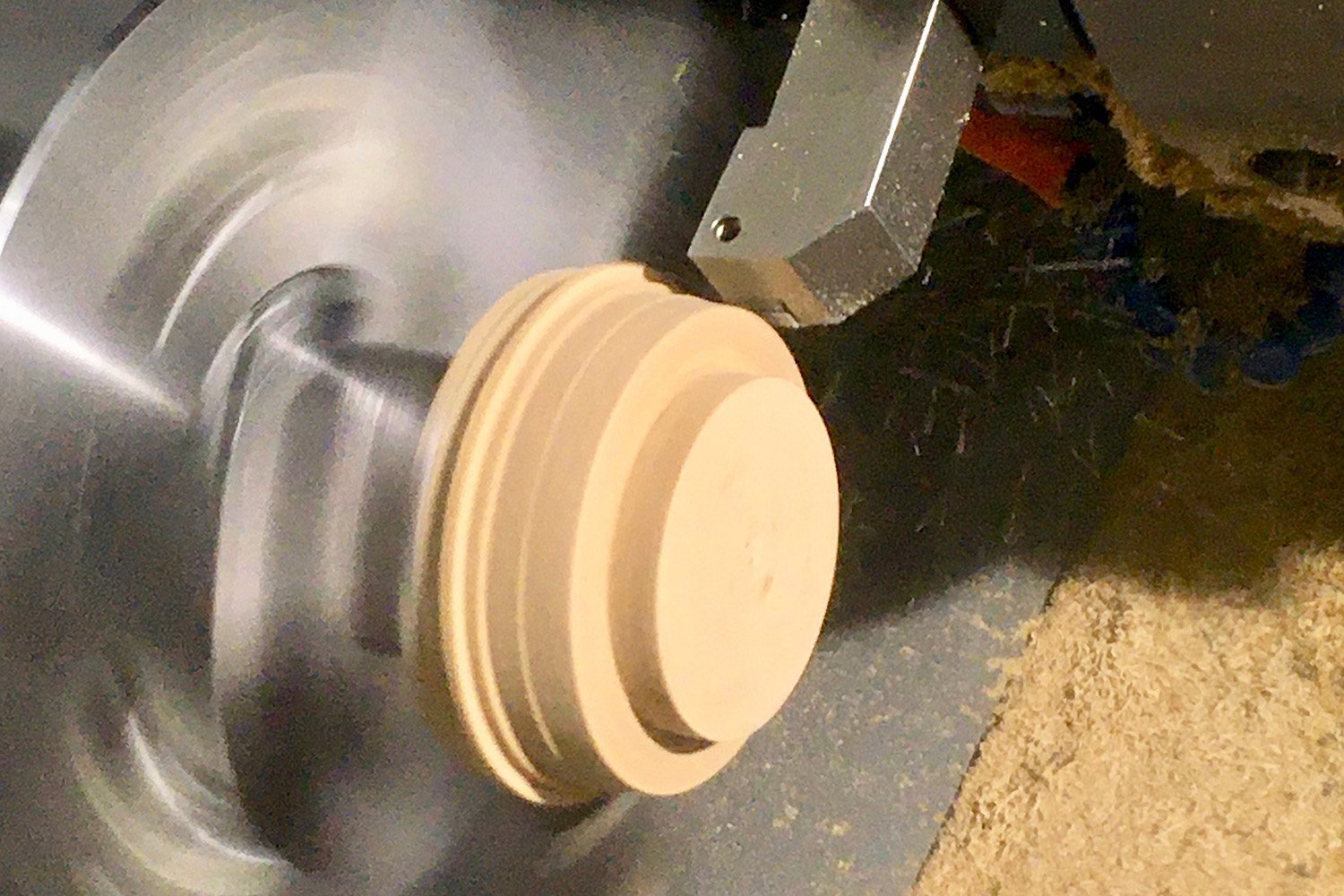
Our extra virgin wood: a warm and attractive biomaterial with the appearance of wood and the feel of ceramic, obtained from processed olive pits, biopolymers, and other natural additives, which form a mass that hardens to become rigid after a drying process.
Features
It is a 100% material that is biodegradable under natural conditions and fully circular, as once dry it can be remelted using heat for reuse. It offers high mechanical strength and can be worked in the same way as wood, making it highly versatile. Its natural texture is rough, but it can also be sanded to achieve a fine finish that is smooth to the touch.
Processes
The mass can be poured into moulds to obtain complex shapes without generating waste. The hardened material can be machined with tools such as CNC, laser, saw or lathe with the advantage that all remnants and chips of the material can be re-used. It can be used as an adhesive to weld parts together, facilitating the production of monomaterial objects.
Reolivar Air
Description
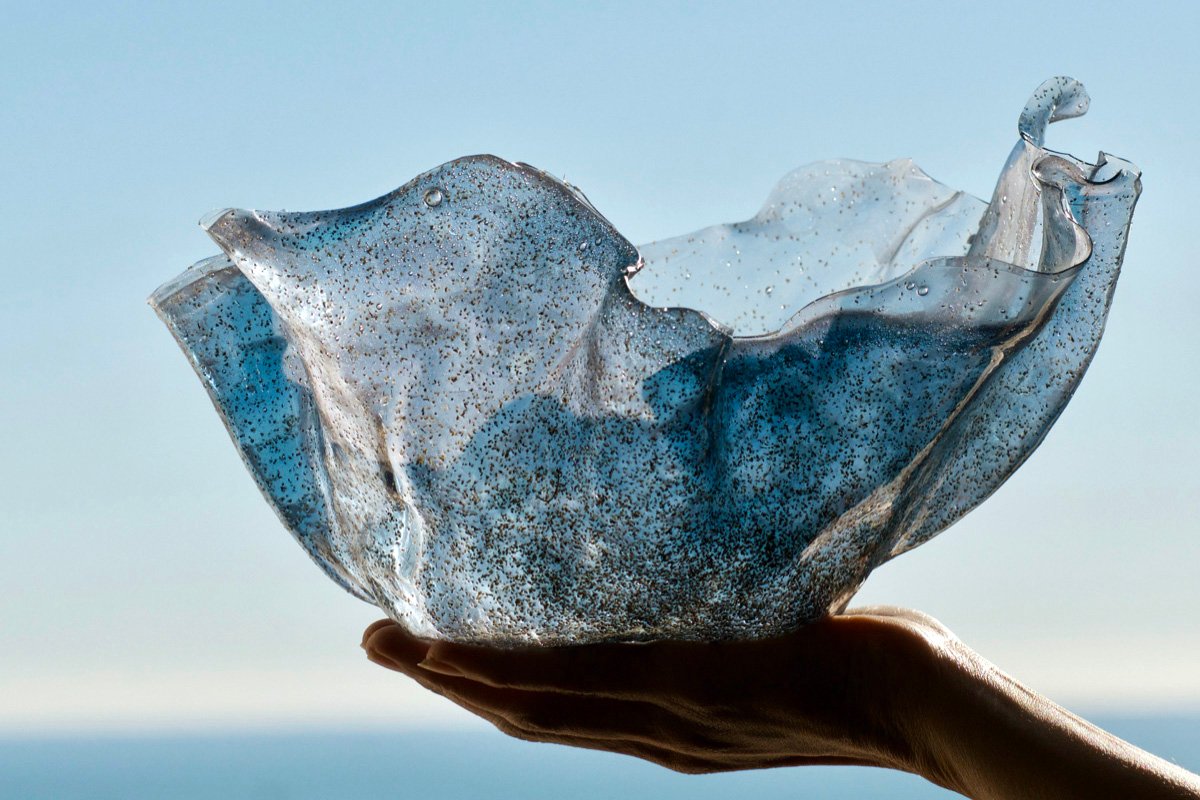
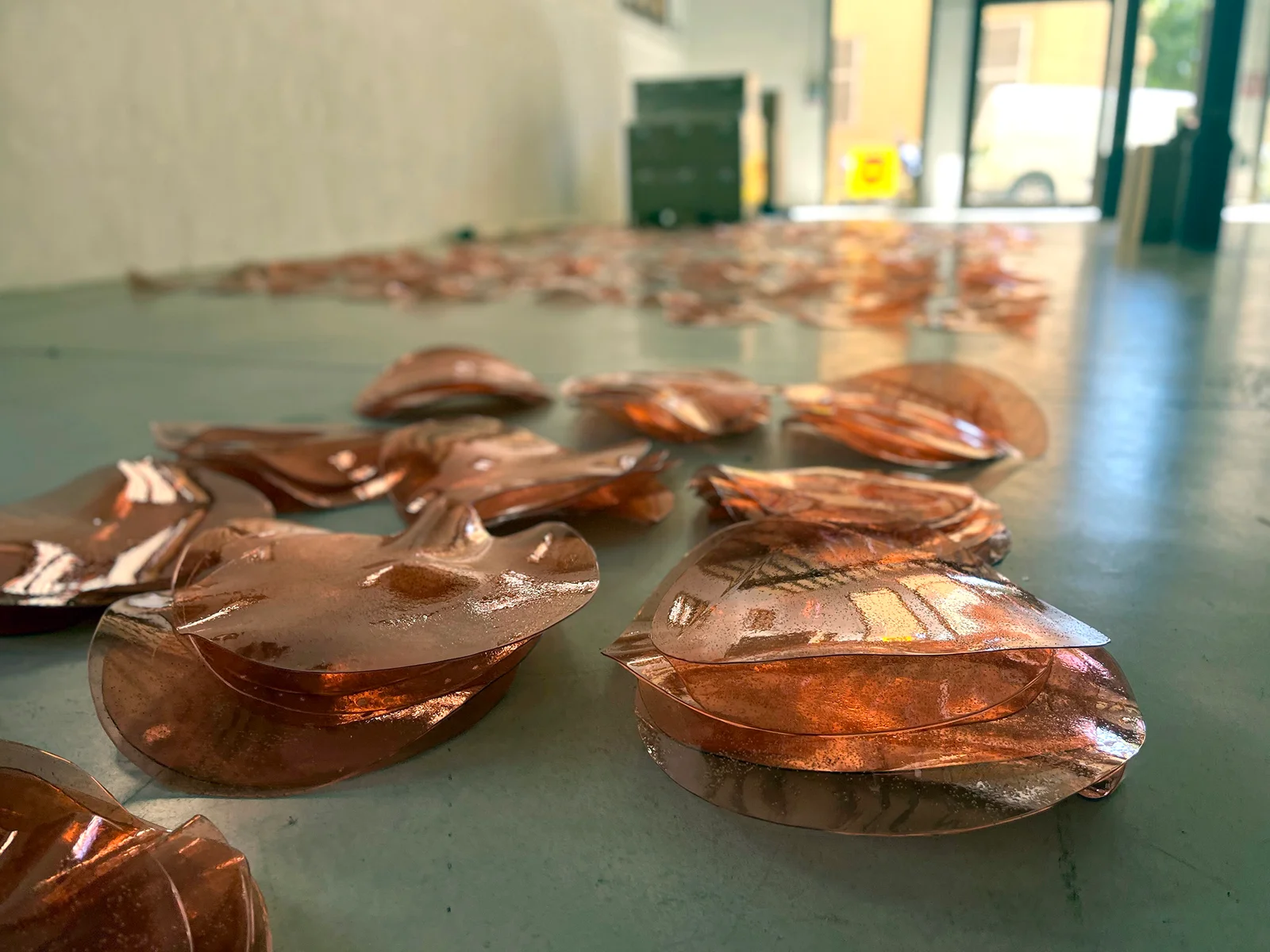
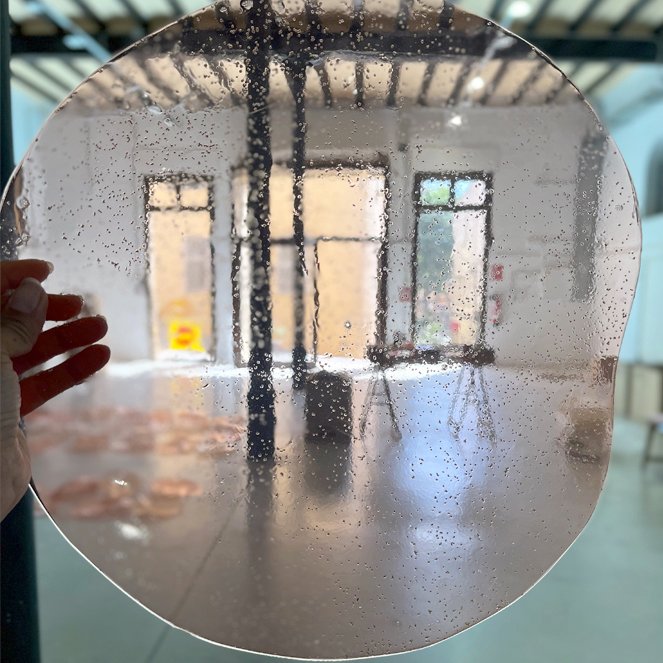
With a light and translucent appearance, this biomaterial can be rigid or flexible, varying the formula as desired to produce parts more akin to glass or plastic.
Features
It is a 100% material that is biodegradable under natural conditions and fully circular, as once dry it can be remelted using heat for reuse. It transmits light well, and its colour and level of transparency can be altered using natural dyes and other additives, which also give the material a rougher texture.
Processes
The material is handled in a liquid state and can be poured into moulds to create complex shapes. Once dry, it can be manually trimmed with a blade or laser cut. This technology also allows for engraving on the material.